Modern Flag Concepts Rising
In a digital world where attention is earned in seconds, visual identity has become one of the most valuable assets a brand can possess. From global companies to emerging startups, organizations are searching for distinctive ways to communicate their values, tell compelling stories, and create memorable impressions. Surprisingly, one of the most influential sources of inspiration comes from an area many people rarely consider, modern flag design.
Today, modern flag concepts are evolving far beyond traditional national symbols. They are becoming powerful visual frameworks that blend creativity, cultural relevance, simplicity, and strategic communication. As web design, SEO, and digital marketing continue to shape how audiences interact with brands online, understanding the principles behind contemporary flag design offers valuable insights into building stronger and more recognizable digital identities.
Modern Flag Design Evolution
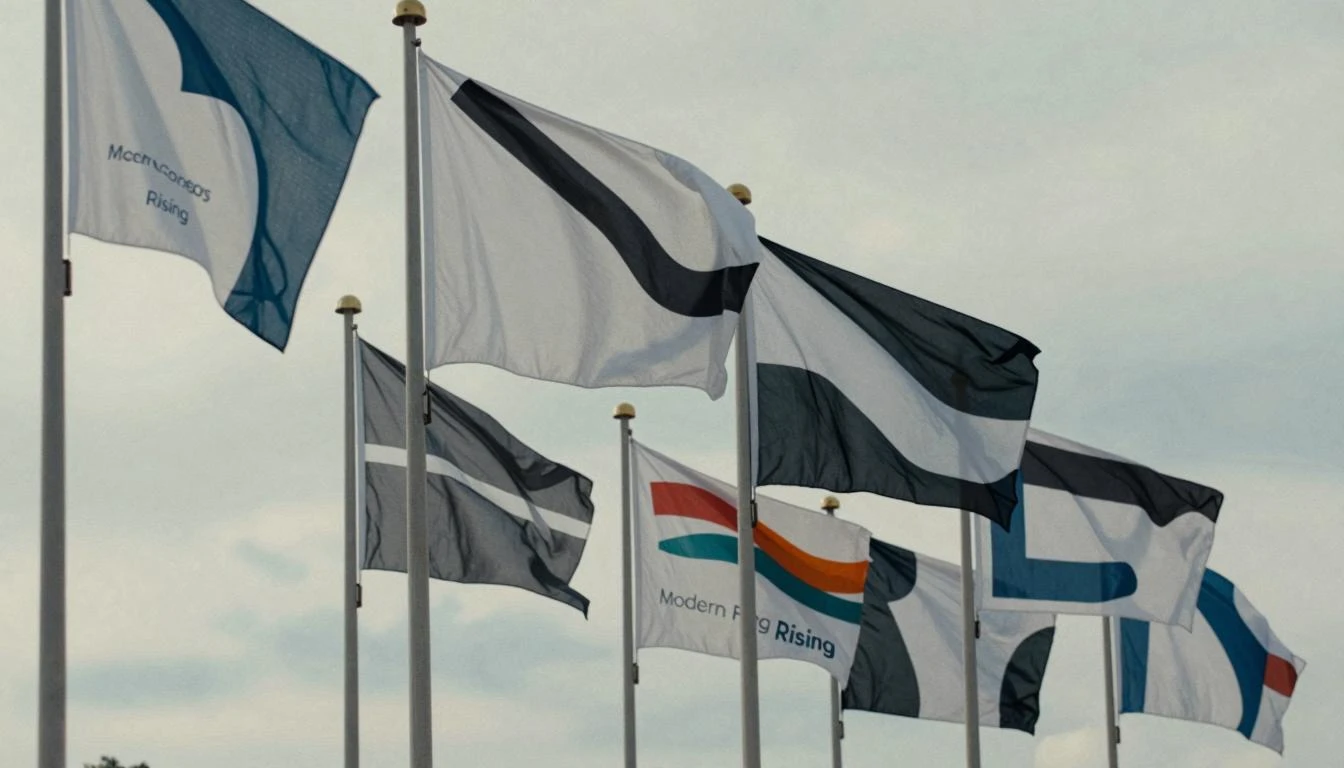
The evolution of flag design reflects broader changes in visual communication. Audiences now consume content across websites, social media platforms, mobile applications, and digital advertisements, making modern flag concepts increasingly important for creating recognizable and adaptable visual identities across every digital touchpoint. One of the most interesting developments is the emergence of rising modern flag design ideas, which combine timeless symbolism with contemporary design principles to create stronger visual impact.
Minimalist Symbolism Approach
Minimalism has become one of the defining characteristics of contemporary flag design. Rather than relying on complex illustrations and excessive decorative elements, modern designers focus on symbols that communicate meaning instantly. Many of today's rising modern flag design ideas embrace this philosophy by prioritizing clarity, versatility, and strong visual impact across both traditional and digital platforms.
Geometric Layout Concepts
Geometry plays an increasingly important role in modern flag creation. Carefully balanced shapes help establish order, consistency, and visual harmony. Triangles often symbolize progress and innovation, circles represent unity, while structured grids provide a foundation for scalable design systems.
Many web designers are adopting geometric principles because they create seamless connections between logos, websites, user interfaces, and brand assets. This consistency strengthens brand recognition and supports long-term marketing goals.
Cultural Identity Integration
While simplicity dominates many contemporary designs, cultural identity remains a powerful source of inspiration. Effective modern flags incorporate historical influences, local traditions, and shared values while presenting them through a contemporary lens.
Contemporary Visual Flag Elements
Visual elements are what transform a simple concept into a memorable identity. As design trends continue evolving, modern flag creators are experimenting with new techniques that improve visibility, engagement, and adaptability across digital platforms. Understanding these elements helps explain why certain designs remain relevant while others quickly fade from public attention.
Bold Typography Combinations
Typography is no longer limited to supporting visual elements. In many contemporary designs,
Strong typefaces can reinforce authority, creativity, professionalism, or innovation depending on how they are used. When combined with symbolic elements, typography creates visual systems that are both distinctive and versatile across digital environments.
As legendary designer Paul Rand once stated, "Design is the silent ambassador of your brand." This observation remains highly relevant today, particularly in competitive digital markets where first impressions often determine user engagement.
Dynamic Color Composition
Color continues to be one of the most influential tools available to designers. Beyond aesthetics, color affects emotion, perception, and decision-making. Modern flag designers increasingly rely on dynamic color systems that maintain consistency while adapting to various applications.
Strategic color combinations help brands communicate confidence, trust, energy, or innovation. In digital marketing campaigns, color often becomes a critical factor in attracting attention and increasing brand recall.
Abstract Pattern Development
Another growing trend involves the use of abstract patterns. Instead of relying solely on traditional symbols, designers create unique visual languages through custom shapes, textures, and repeated motifs.
These patterns provide flexibility across websites, social media content, presentations, and marketing materials. More importantly, they help brands establish a visual identity that competitors cannot easily replicate.
Digital Influence on Flag Creativity
Digital technology has fundamentally changed how visual identities are designed and experienced. What works in a printed format may not necessarily perform well on social media, mobile devices, or interactive platforms. This shift has encouraged designers to rethink traditional approaches and embrace new forms of creative expression.
Social Media Inspired Aesthetics
Social media has become one of the most influential forces shaping contemporary design. Visual content must capture attention quickly while remaining recognizable in profile images, thumbnails, feeds, and short-form videos.
As a result, many modern flag concepts emphasize bold contrast, simplified structures, and memorable visual signatures. These characteristics help brands remain visible in increasingly crowded digital environments.
Motion Graphic Adaptation
The rise of video content has introduced new opportunities for visual storytelling. Static designs are now being transformed into animated assets that can communicate movement, energy, and personality.
Motion-enhanced flag elements allow organizations to create more immersive experiences. Whether used in website animations, promotional videos, or digital advertisements, motion graphics help extend the narrative power of visual identity.
AI Assisted Design Concepts
Artificial intelligence is rapidly influencing creative workflows across the design industry. AI-powered tools help designers explore color palettes, generate concepts, analyze visual trends, and identify opportunities for innovation.
Design strategist Marty Neumeier famously noted that "A brand is not what you say it is. It's what they say it is." In today's digital ecosystem, this perspective highlights the importance of creating visual identities that audiences genuinely connect with and remember.
Build Strong Visual Identity with Modern Flag Concepts
When people encounter a brand for the first time, they often make judgments within moments. Visual identity plays a decisive role in shaping those perceptions. This is precisely why modern flag-inspired design systems are becoming increasingly valuable for businesses, organizations, and digital creators seeking long-term recognition.
Strong visual identities do more than look attractive. They communicate values, establish credibility, strengthen emotional connections, and create consistency across every customer touchpoint.